The Beginning
I've always been fascinated by behavior patterns and what motivates change. Why do two individuals respond so differently to the exact same situation? Why do some experiences leave lasting impressions while others seem to fade away? Those kinds of questions have fascinated me for as long as I can remember.
That curiosity eventually led me to study psychology, where I focused on motivation, learning, and behavior. After college, I began working in mental health, supporting children and families before later working as a case manager for adults experiencing a wide range of serious mental health challenges.
One lesson stayed with me: behavior is communication. If we want lasting, positive change, we first have to understand what that behavior is telling us.
Years later, when I began working with dogs, I found myself asking the same questions. Instead of focusing only on suppressing unwanted behaviors, I wanted to understand what was driving them and help build the confidence, trust, and communication that made change possible.
Today, those same principles continue to shape my approach to positive reinforcement, behavior modification, and helping anxious, fearful, and reactive dogs develop lasting confidence.
Alaska Changed My Direction
At the time, I thought my future would lead to graduate school and clinical psychology. Instead, life took an unexpected turn.
I spent four months living on a small boat in Alaska with my dog, Kodi. We explored mountain trails, hiked through remote wilderness, and spent our days immersed in nature.
On nearly every hike, I found myself asking the same question:
What do I want my future to look like?
I kept asking it, believing that eventually the answer would come.
During that time I read The Alchemist. One idea stayed with me long after I finished the book: that everyone has a Personal Legend — a unique path they're meant to follow.
The book made me reflect on my own life, but it also made me think about Kodi's. The more I invested in his well-being, the stronger our connection became. I also discovered that everything I gave to our relationship found its way back to me many times over.
Friends and coworkers noticed it too. They would spend time with Kodi and me, comment on our relationship, and ask for advice. It was the first time I wondered whether I could help other people build that same kind of connection with their own dogs.
As I explored that possibility, I also saw that much of the training available at the time focused on controlling or suppressing behavior rather than understanding what was driving it. I believed there was a better way, one rooted in behavioral science, communication, and helping dogs build genuine confidence.
When I left Alaska, I returned home with the answer I'd been searching for.
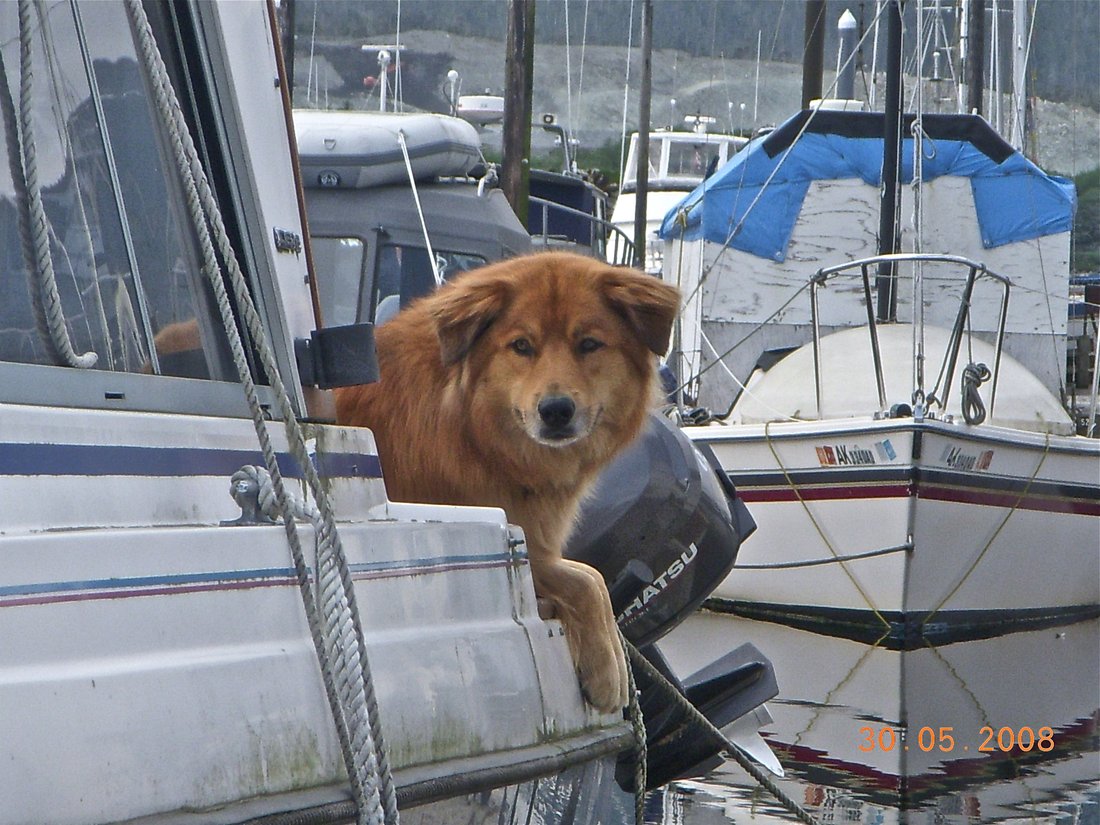
Kodi in Alaska, where my journey into dog training truly began.
Learning the Craft
That realization brought me to Austin, Texas, where I enrolled in an intensive dog training program. I had the opportunity to learn under accomplished Schutzhund trainers whose approach combined both the art and the science of training. We studied behavior modification, scent work, search and rescue, agility, service dogs, protection sports, and much more.
Although each discipline looked different on the surface, they all shared a common principle. Great trainers didn't jump straight to the finished behavior. They built the individual pieces first, creating confidence, clarity, and understanding before expecting reliability.
Every discipline emphasized building behavior one skill at a time, but I also began to notice that while trainers applied this process meticulously to teaching concrete behaviors, the same step-by-step approach wasn't always carried over into behavior modification or emotional learning.
I couldn't help but wonder what would happen if confidence, emotional regulation, and communication were developed with that same level of intention.
Looking back, I think this was one of the earliest seeds of what would eventually become the Base Training Method™.
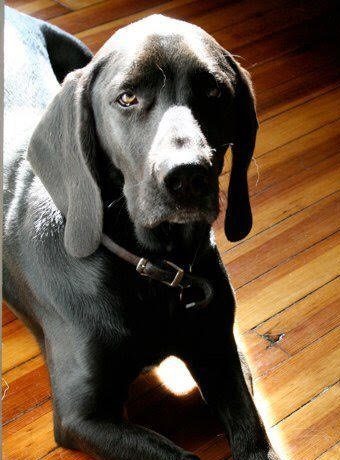
During the program, each student was paired with a rescue dog to work with throughout the course. The moment I walked through the kennels, one dog immediately caught my attention. Fritz was only six months old, but he had already lived in four different homes. He had long basset hound ears, front paws that fanned out like flippers, and a bark that sounded just like a sea lion.
Before leaving the kennels that day, I found myself hoping I wouldn't be paired with Fritz. Kodi and I already had our own story, our own path, and I wasn't looking to change it. I had a feeling that if Fritz became part of our lives, everything would be different.
The next morning, the instructors announced the pairings. When they called my name, it was followed by Fritz's. In that moment, I knew our story had just taken an unexpected turn.
Fritz was impulsive, struggled with dog-to-dog aggression, guarded resources, and had very little tolerance for frustration. When traditional corrections didn't change his behavior, many people labeled him stubborn, dominant, or defiant. He was considered too challenging and was repeatedly relinquished.
Working with Fritz deepened my understanding of behavior modification. It became clear that the most constructive path wasn't about shutting down the symptoms. The more I focused on understanding his behavior, the more I began to notice the small moments when he was ready to learn. Those moments became opportunities to build trust, confidence, communication, and the emotional skills that allowed our relationship to flourish. It was a simple shift in perspective, but each time we reached another plateau, returning to that mindset consistently opened the door to new progress.
The more I grew to understand Fritz, the more I realized the incredible potential that had been hidden behind his challenges. He wasn't defined by the behaviors everyone was trying to stop. He was simply missing the emotional and behavioral skills he needed to succeed. Once we began building those skills, his capacity for learning was greater than almost any dog I had ever worked with.
That shift in perspective became one of the defining principles behind the Base Training Method™.
Read Fritz's story →
Real Dogs. Real Families.
After returning to New York, I worked as a behavior counselor and trainer at a large dog care facility in Manhattan. Every day looked different.
I taught group classes, coached private lessons, worked one-on-one with dogs throughout the day, and helped families navigate everything from fear and reactivity to overexcitement and everyday life with their dogs in the city. The pace was incredible. So was the education.
Working with so many different dogs reinforced something I had begun to suspect: every dog needed something slightly different, but they all benefited from the same foundation of trust, communication, and emotional stability.
Some clients began referring to me as "the dog therapist." It always made me smile because, in many ways, that's exactly how I approached training. Not as fixing dogs, but as helping them feel understood while giving owners the tools to guide them with clarity and confidence.
“Behavior is communication. If we want lasting, positive change, we first have to understand what that behavior is telling us.”
— Alyssa Rose
Building Legends Dog Training
Shortly afterward, I founded Legends Dog Training in New York. From the very beginning I wanted to create a different kind of training experience for dogs that were deemed “too difficult,” one that prioritized emotional well-being alongside practical skills that facilitate confidence, communication, and thoughtful decision-making. Later, I moved my dogs and my business to California, where that mission continues today.
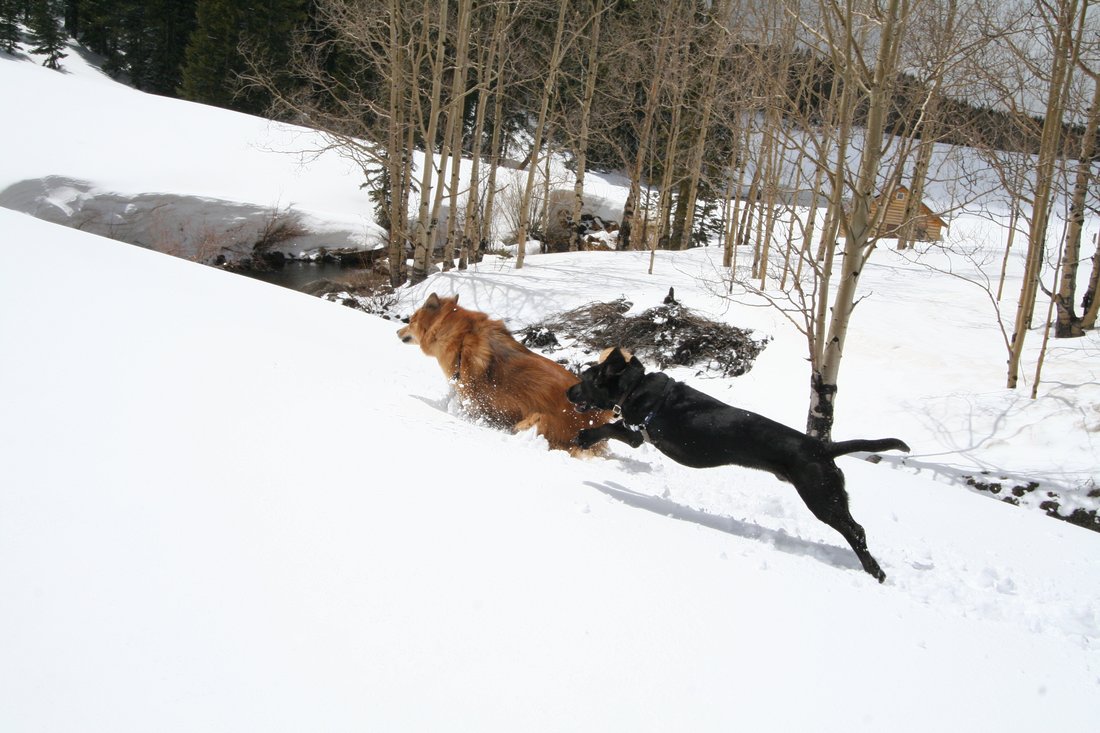
Kodi and Fritz in Colorado during our cross-country move from New York to California.
My work focuses on teaching dog owners around the world through online courses, educational videos, and the Base Training Method™. Whether someone is working through reactivity, aggression, or helping an anxious dog become more confident, my goal is always the same: create lasting behavior change by building calm, confidence, and connection first.
Over the years, the method has continued to evolve, shaped by thousands of dogs, families from more than ten countries, and four extraordinary dogs who forever changed the way I understand behavior. Each of them left a lesson that became part of the methodology.
People occasionally ask why I chose the name Legends Dog Training.
The answer goes back to The Alchemist and the idea of a Personal Legend. I've come to believe that every dog has a story worth investing in, and that our stories become intertwined with theirs in amazing and unexpected ways.
To me, a legend isn't about perfection or extraordinary achievements. A legend is the story that unfolds when a dog is given the opportunity to to reach their full potential.
As they learn, grow, and become more capable of sharing in the life we build together, their story becomes part of our own. Together, it becomes richer, fuller, and more meaningful than either of us could have written alone.
When we stop trying to suppress behavior and instead teach the skills that build confidence, communication, and emotional resilience, we give dogs that opportunity.
To me, that's one of the greatest gifts we can give our dogs.
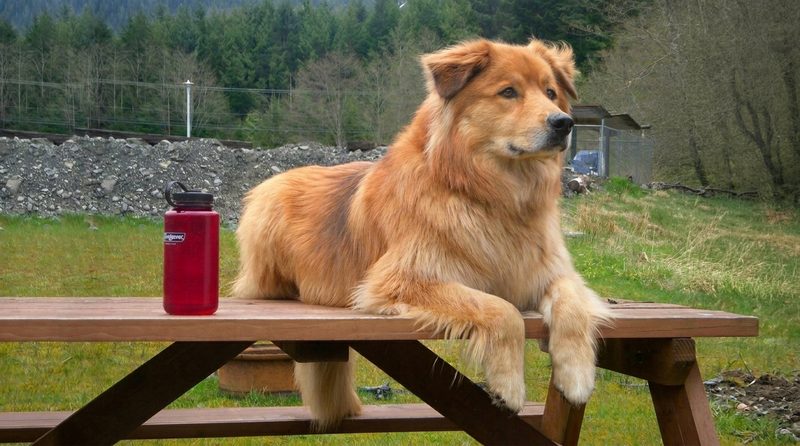
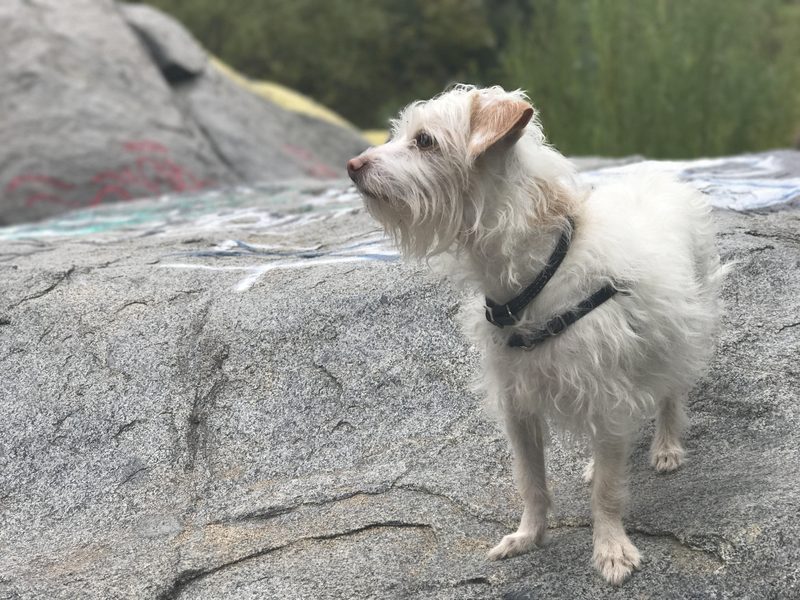
Kodi → Fritz → Beatrix → Frodo